The South
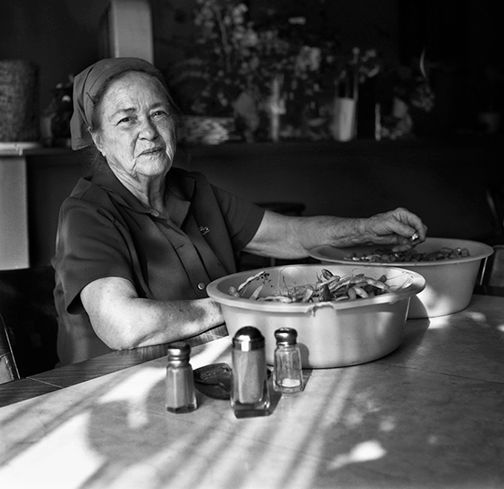
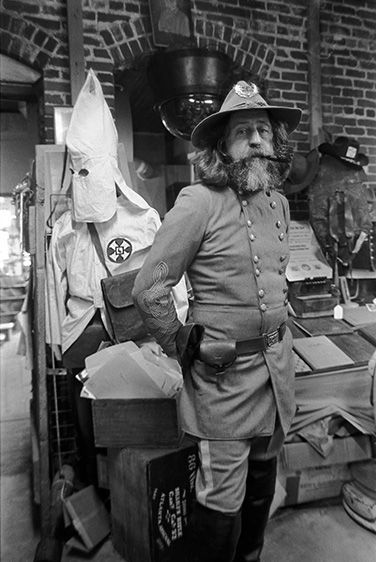
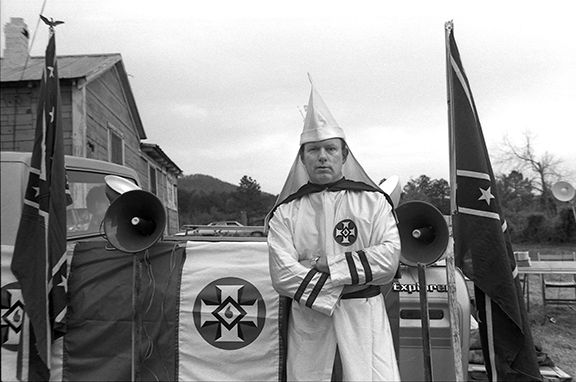
I was a yankee from Philly moving to the south in 1974 with all of my pre-conceived notions about life here. Some of them were true. A small town just 35 miles north of Atlanta was still showing signs of segregation, saying "Whites Only". Klan rallies were still occurring right outside of the city, and the Confederate flag was still hanging at the capitol.
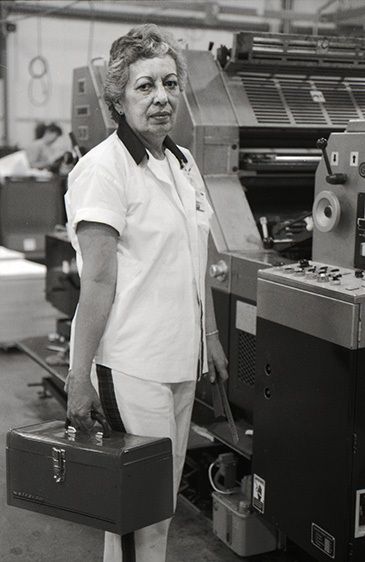
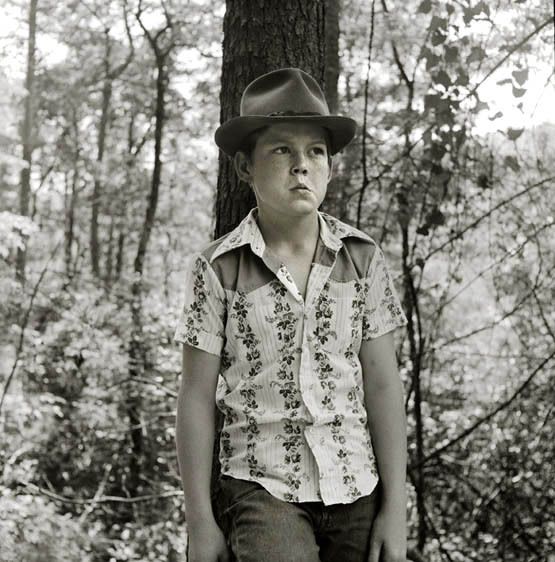
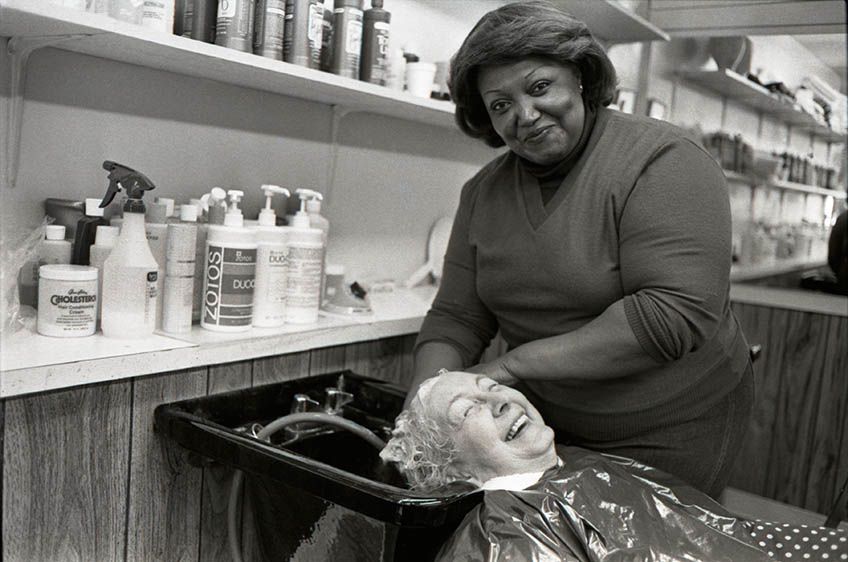
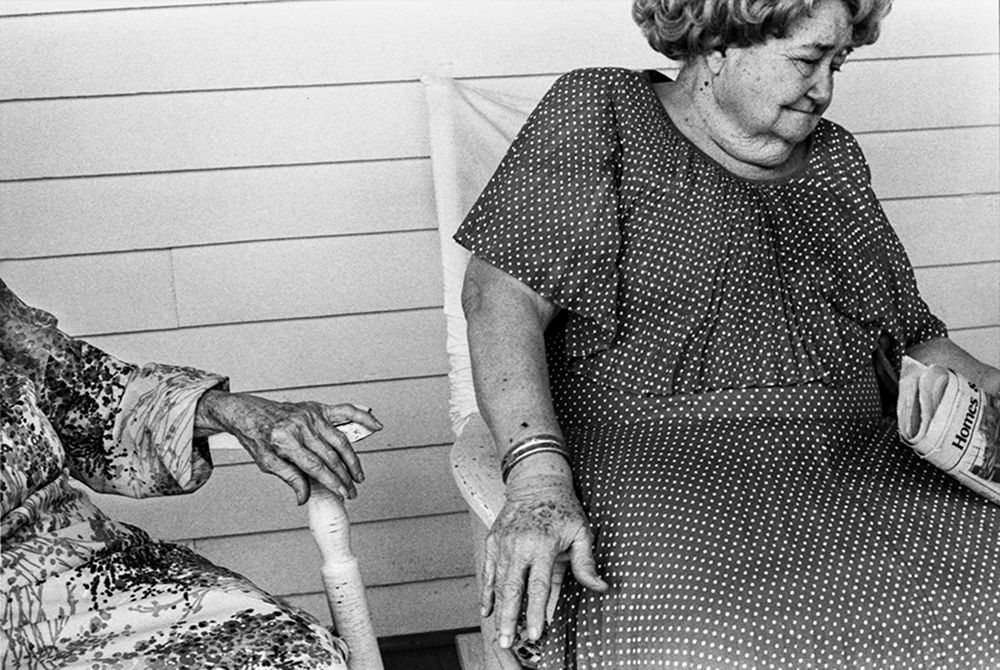
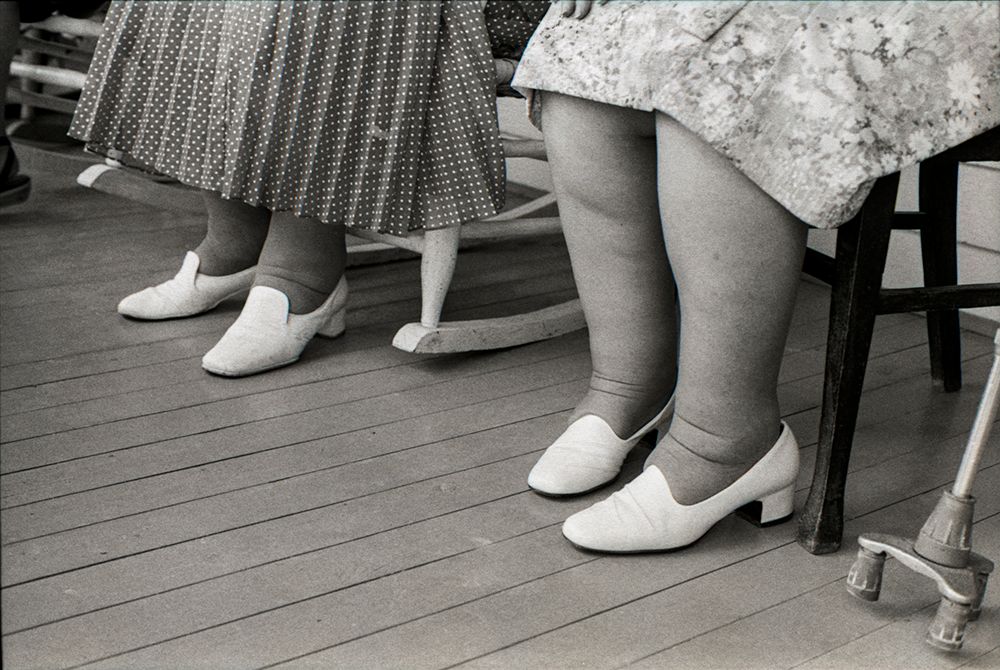
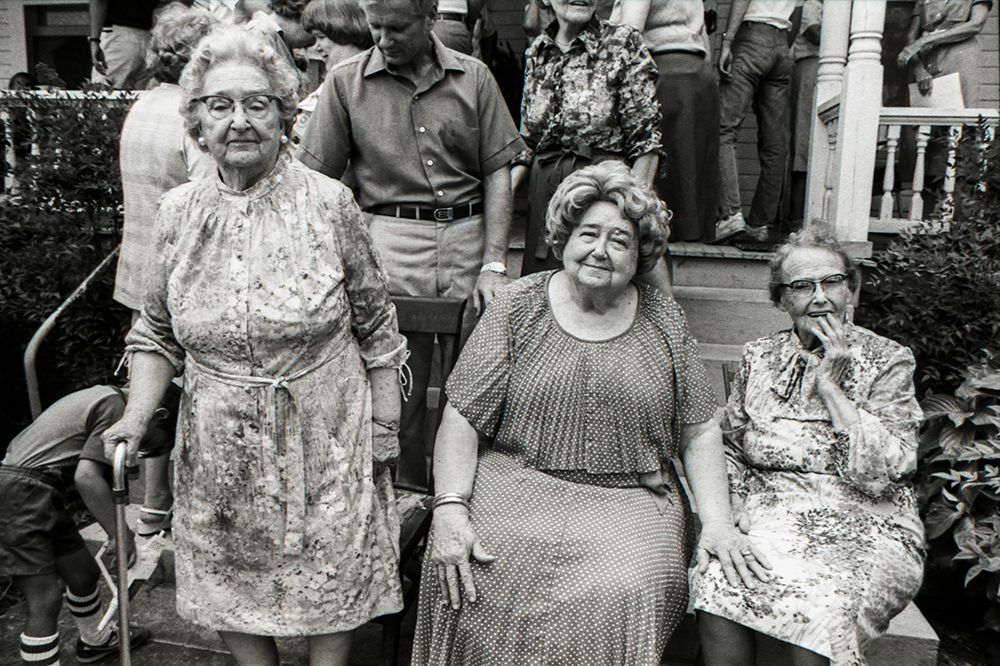
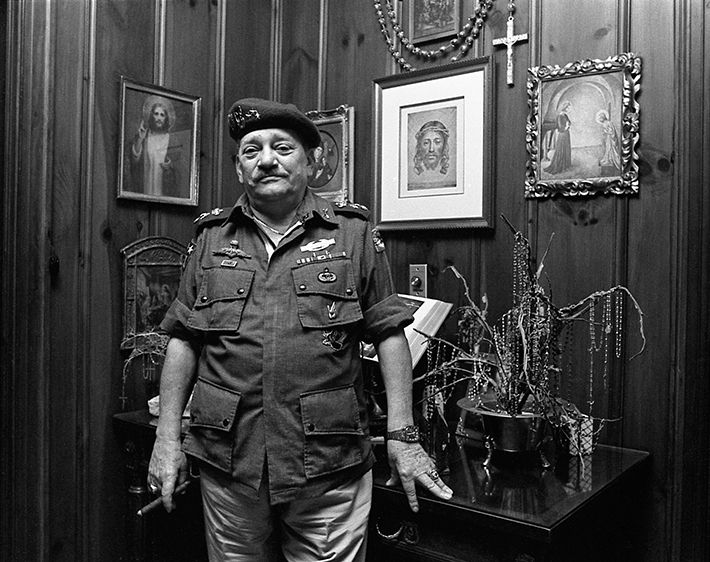
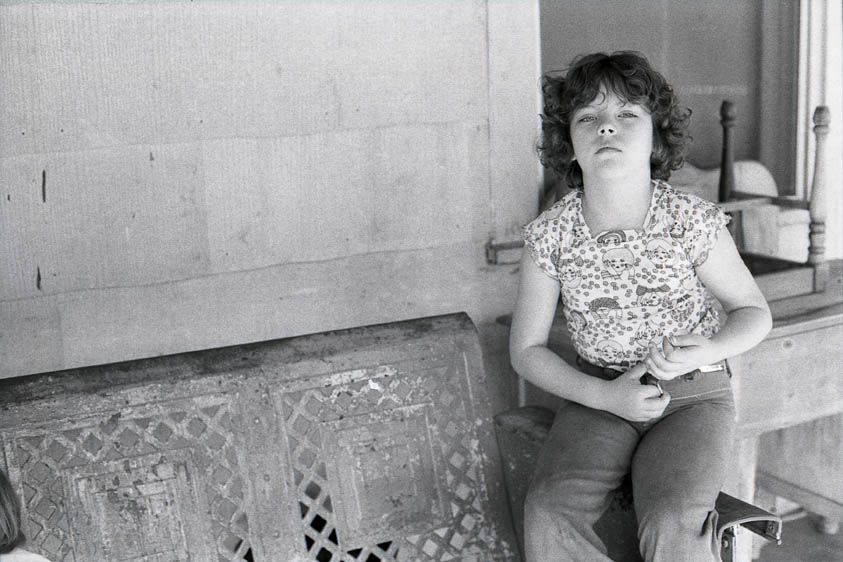
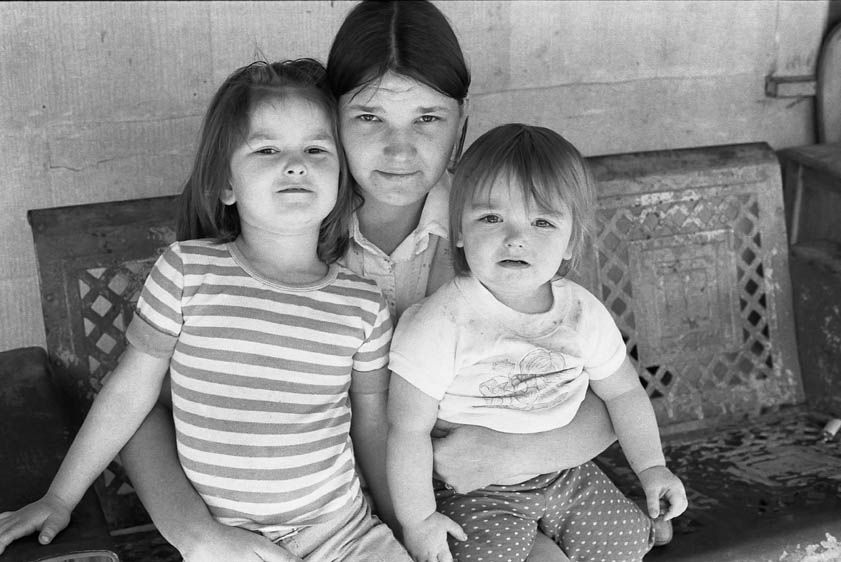
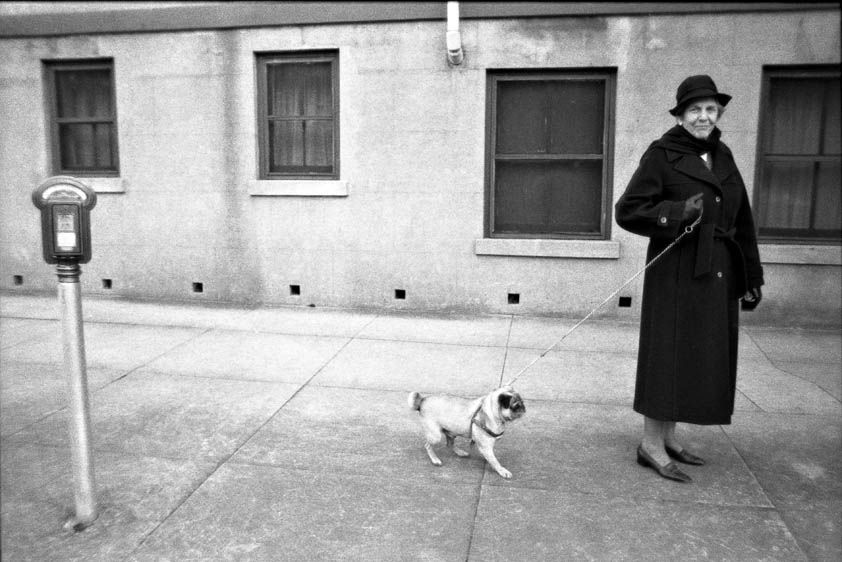
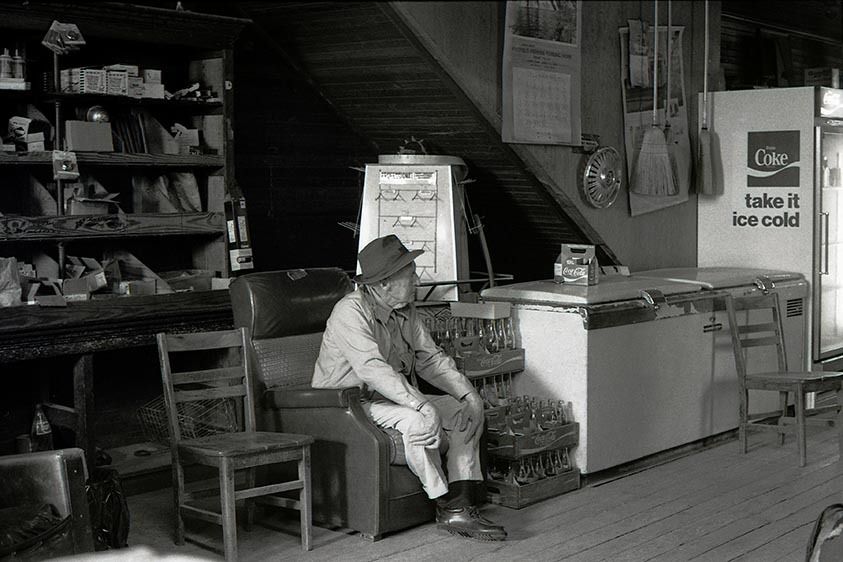
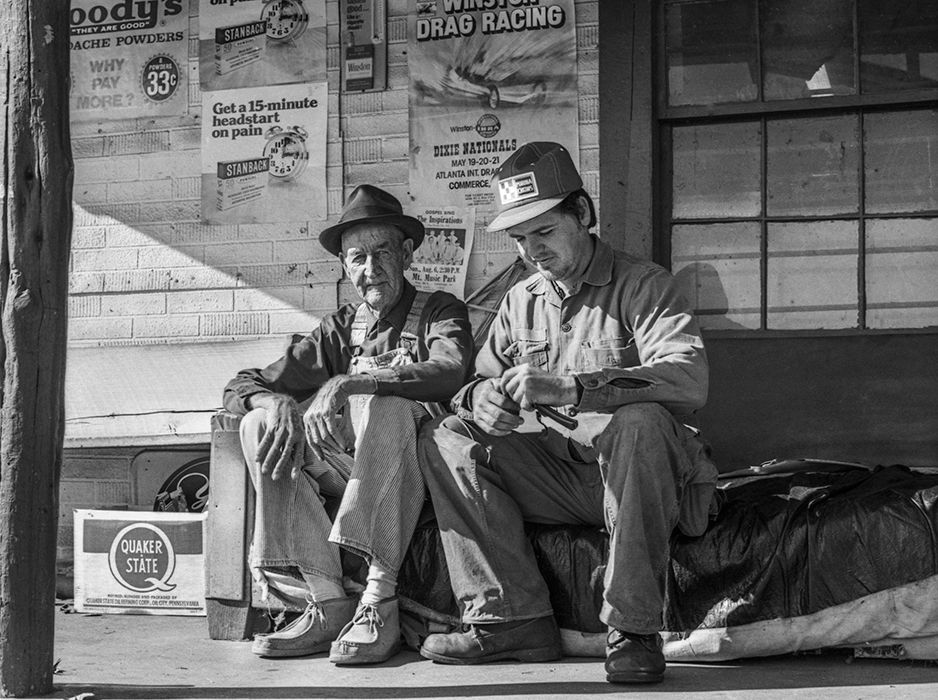
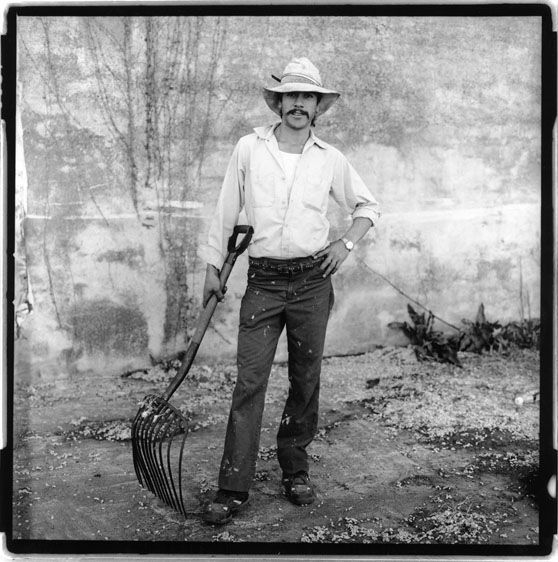
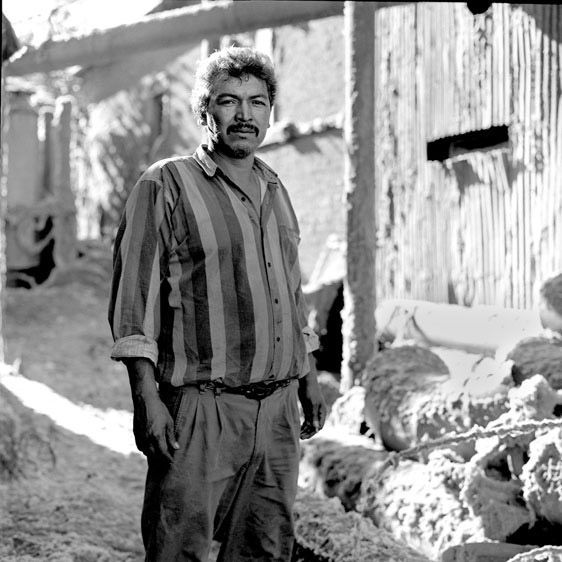
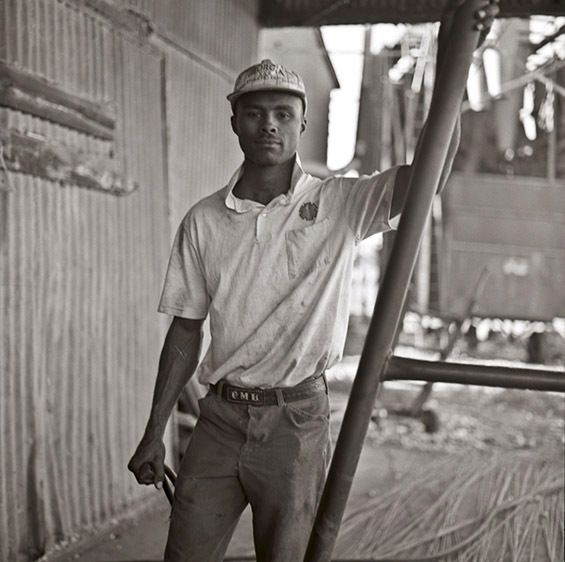
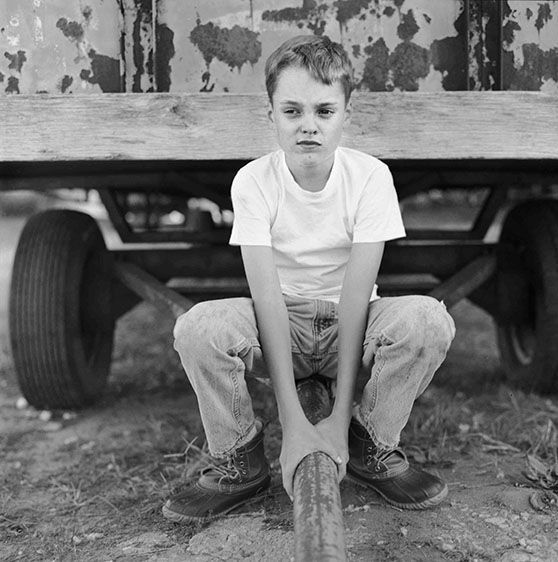
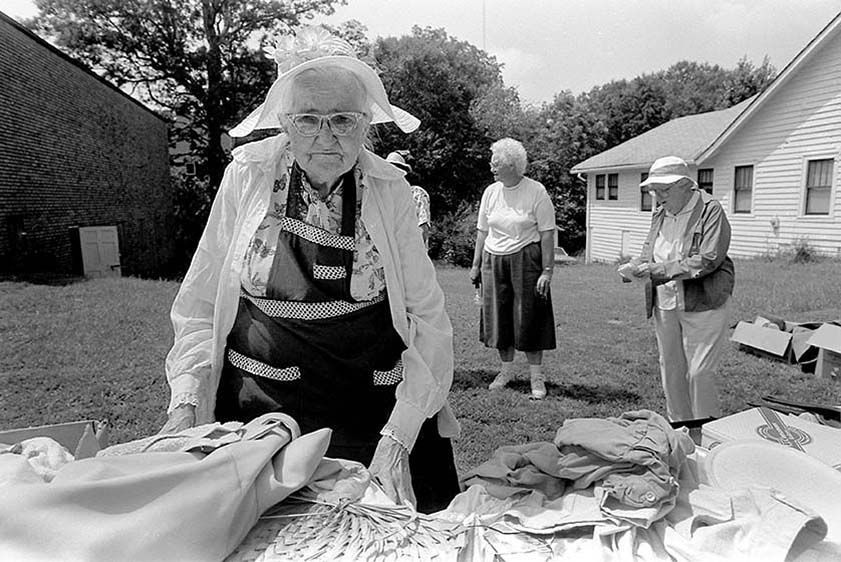
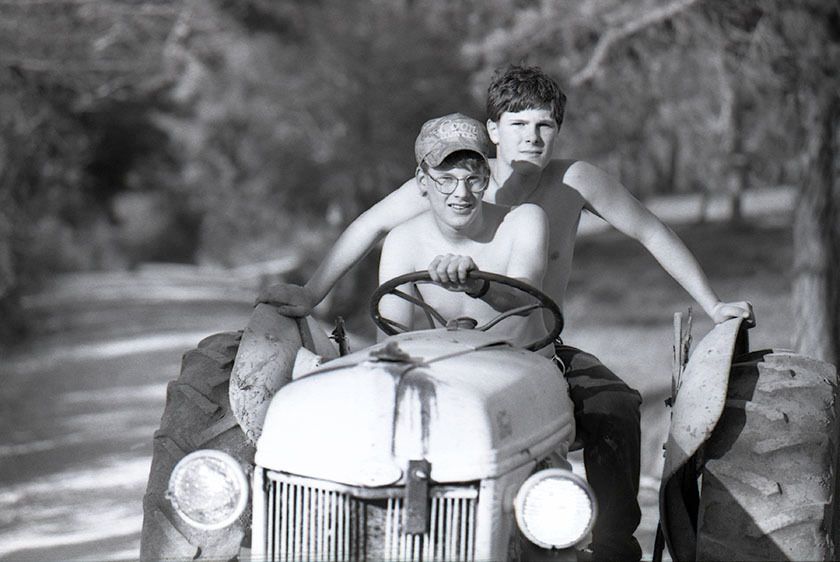
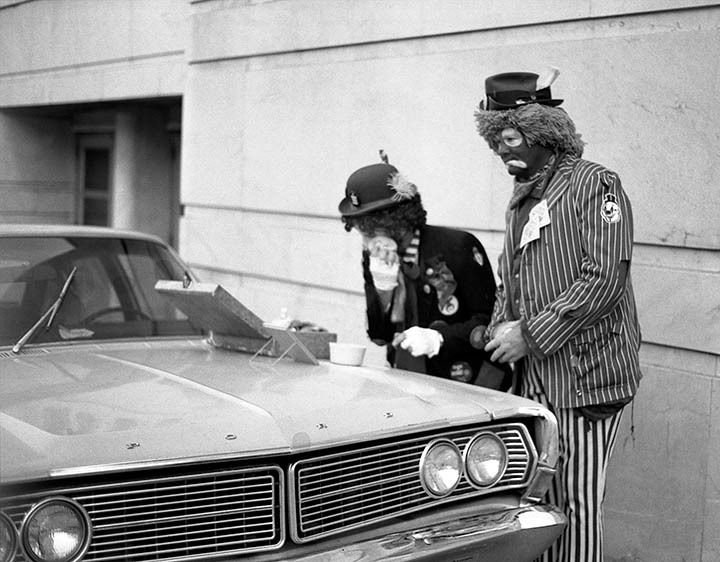
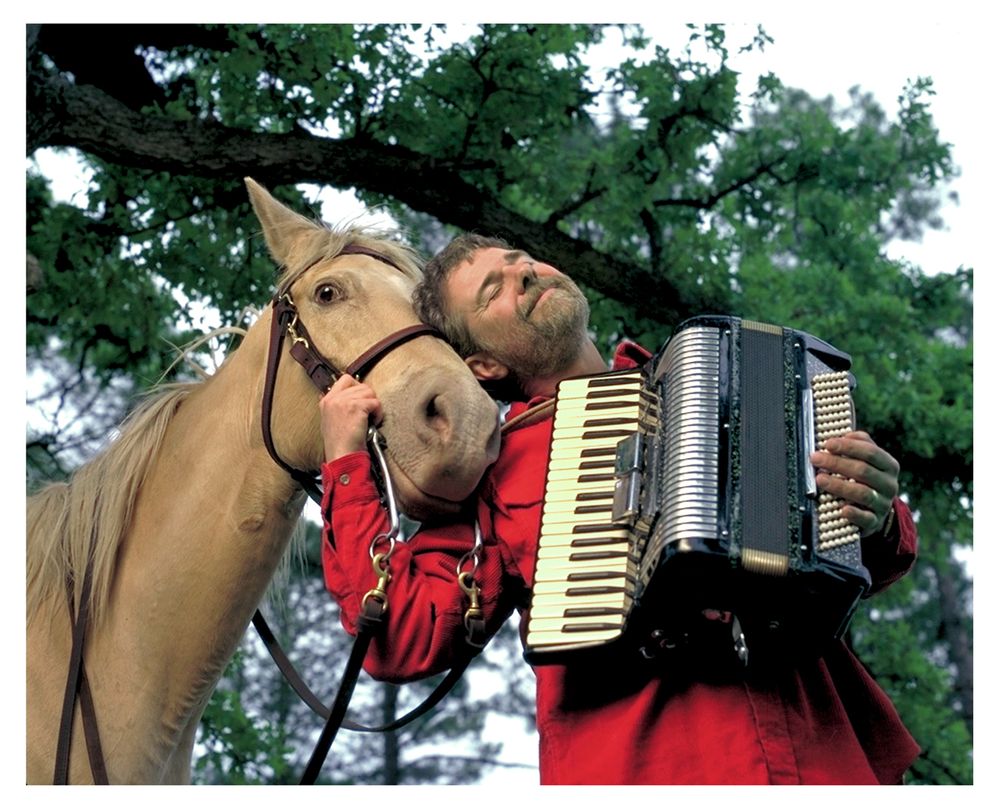
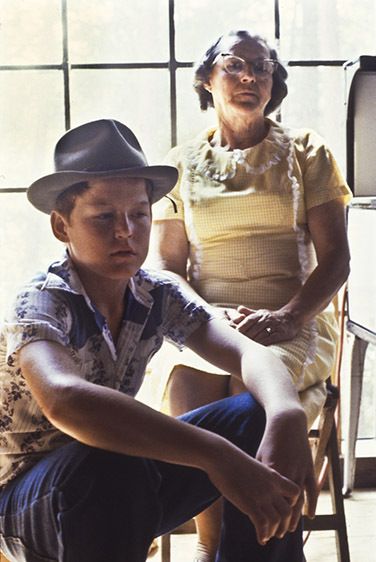
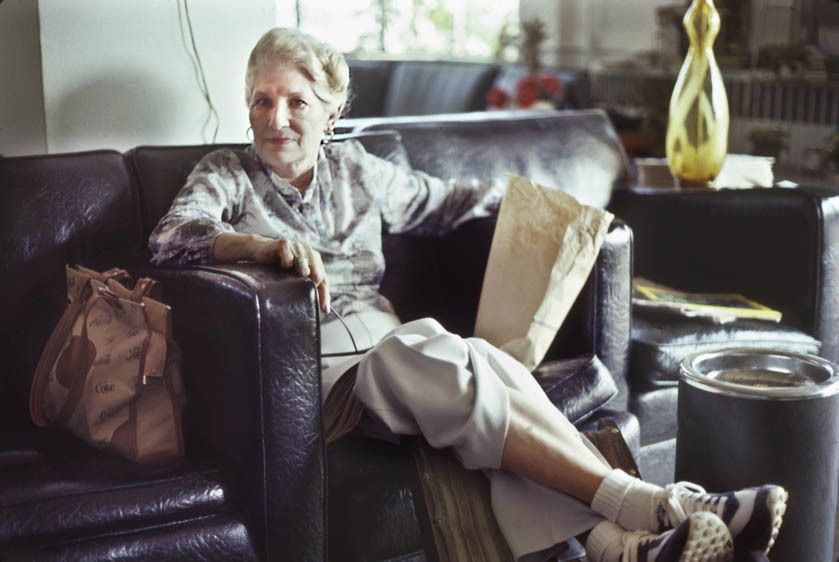
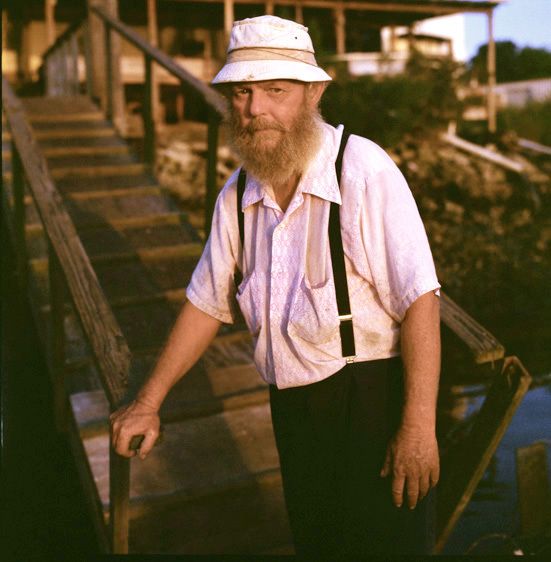
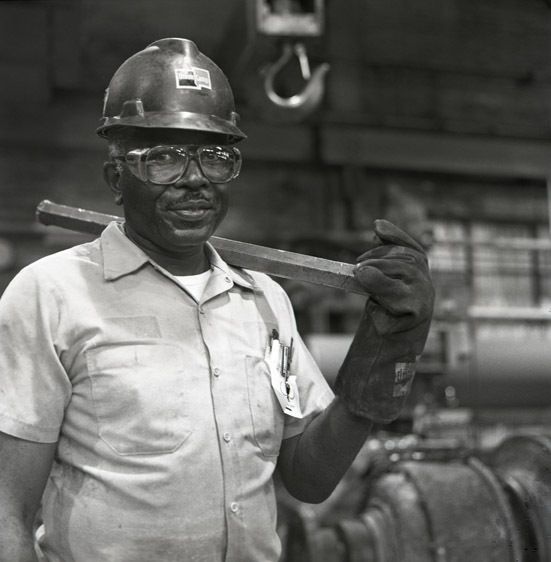
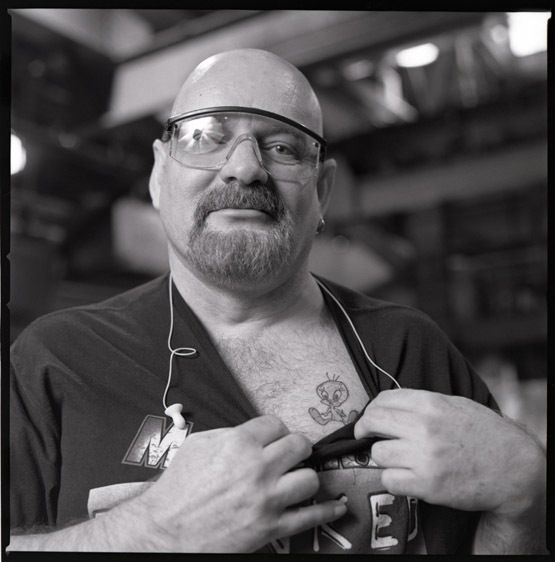
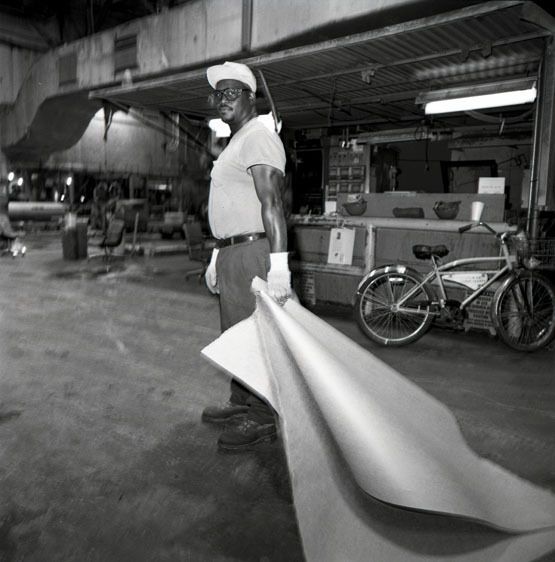
But Atlanta was in the beginning stages of change and eager to improve its image. When I started photographing here while in art school in 1978, I discovered two distinctly different places, one on the road to development and the other frozen in time. These offered some unique juxtapositions: the gentility and the cruelty, the beauty and the absurdity, the new and the old, the rich and the poor.
For the most part, these photos and those in my other documentaries on this site represent a southern life and history that no longer exists to any great extent in Atlanta, but can still be found in some of the smaller towns around it and in the southeast.

Women in Prison
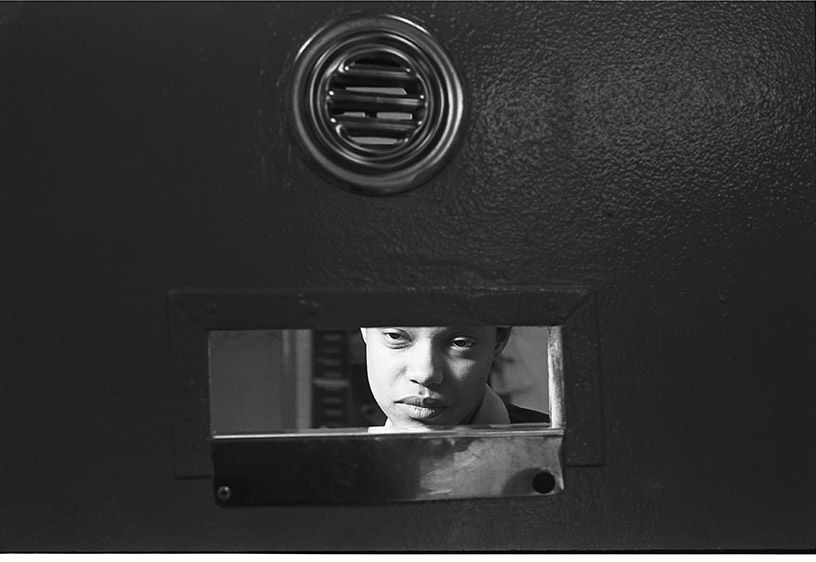
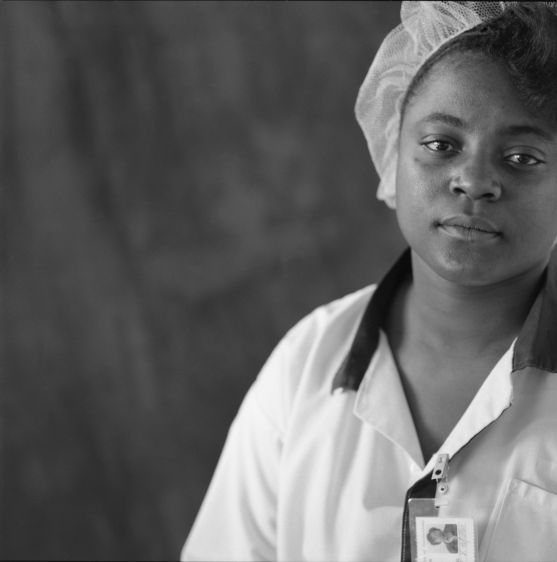
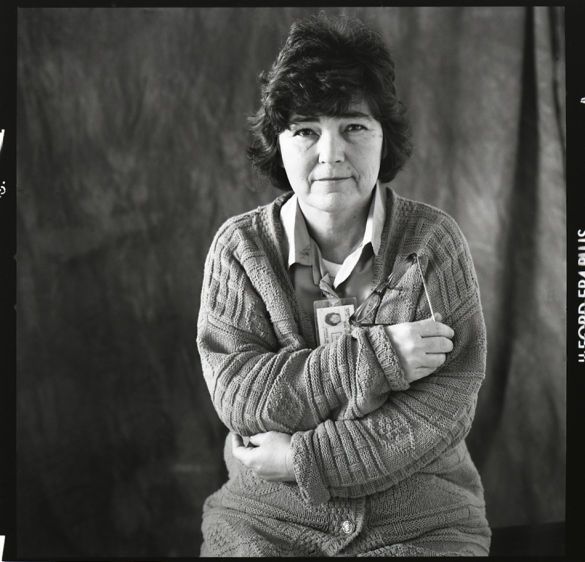
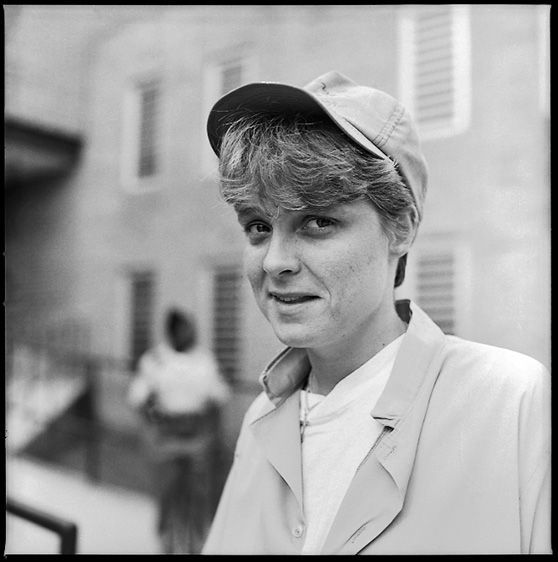
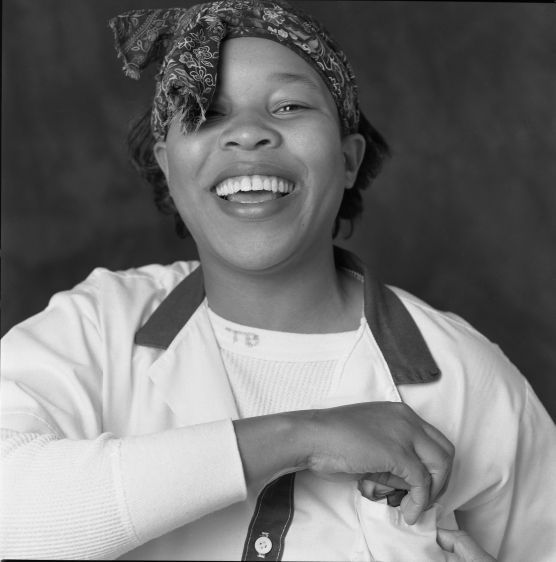
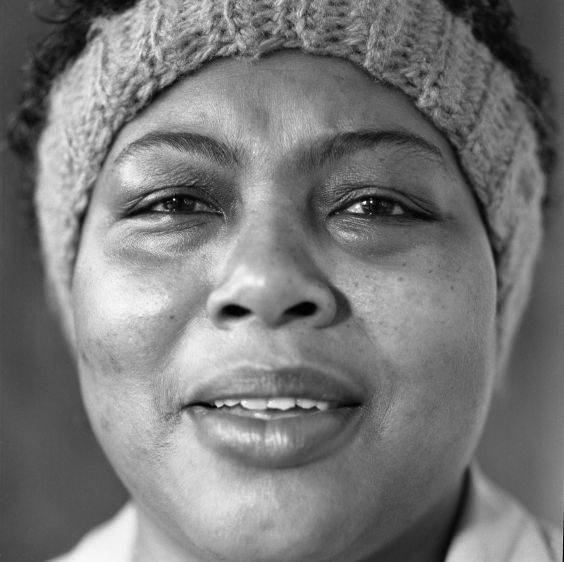
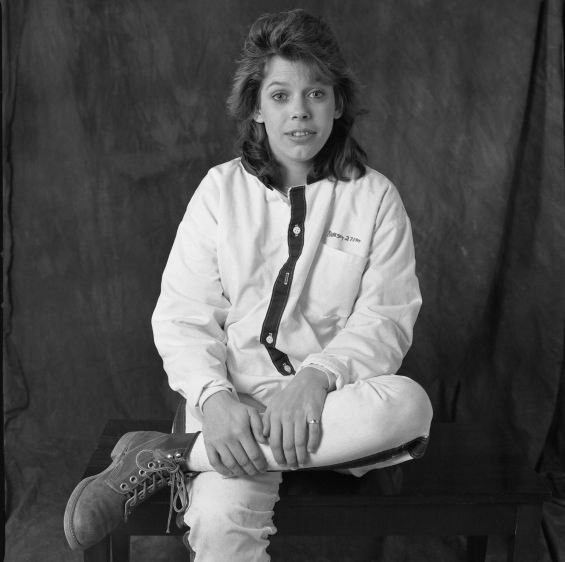
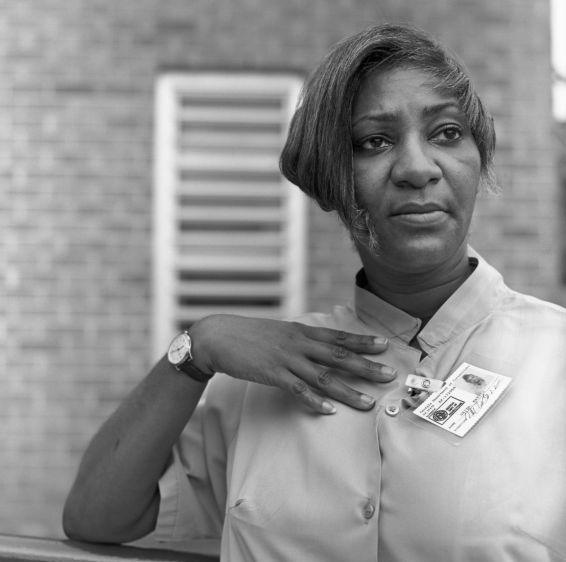
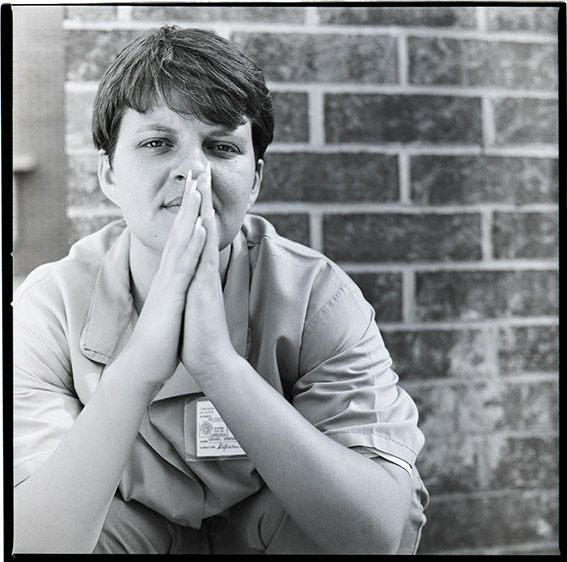
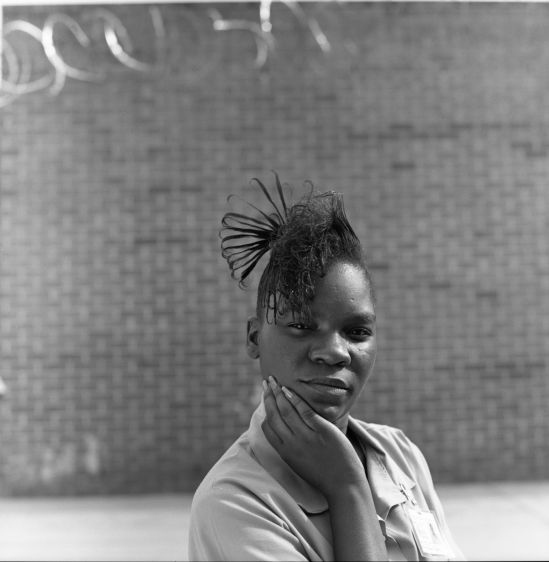
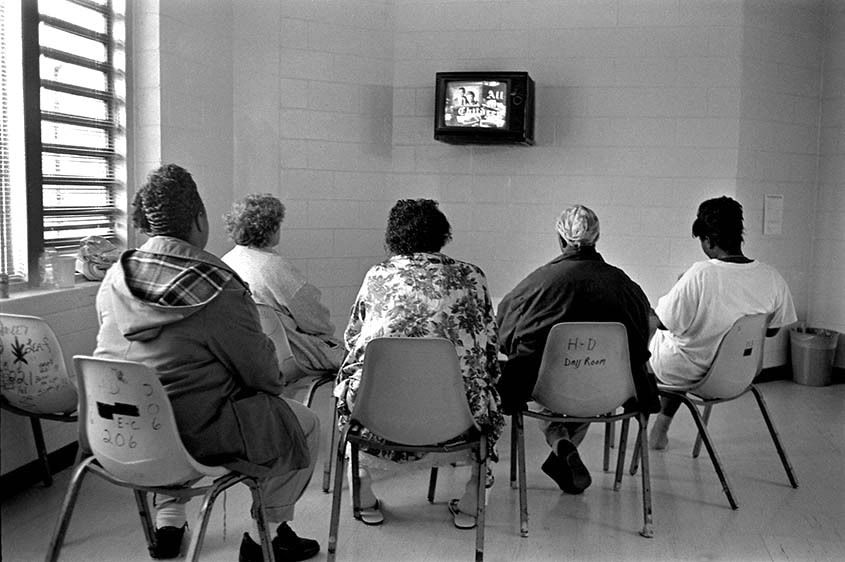
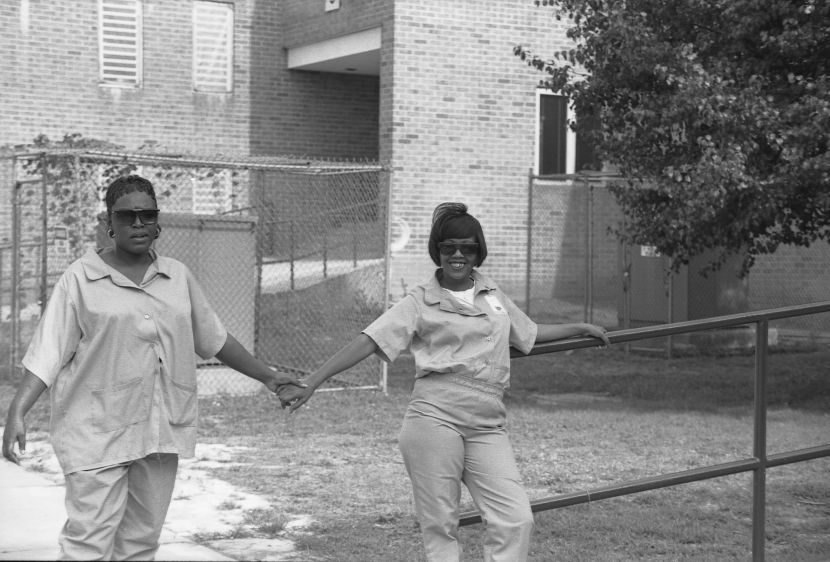
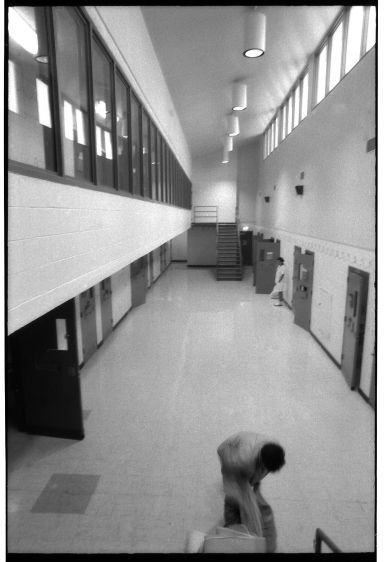
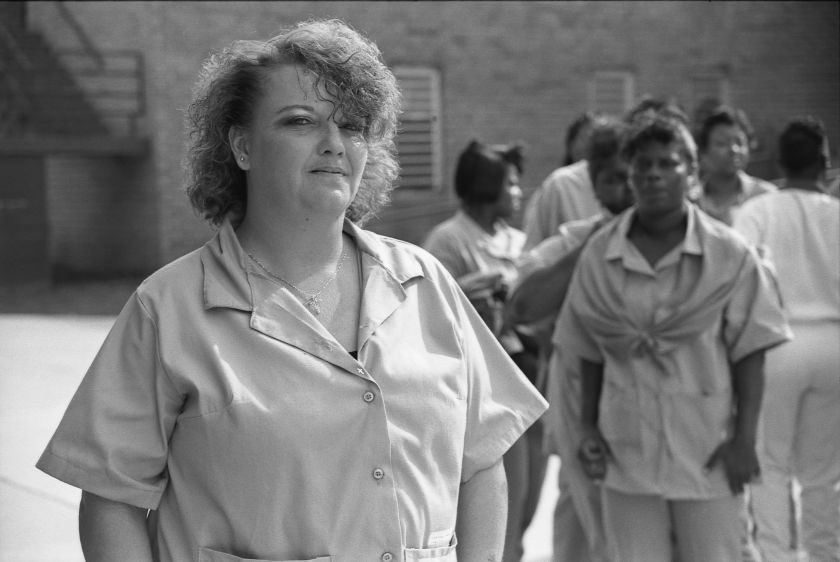
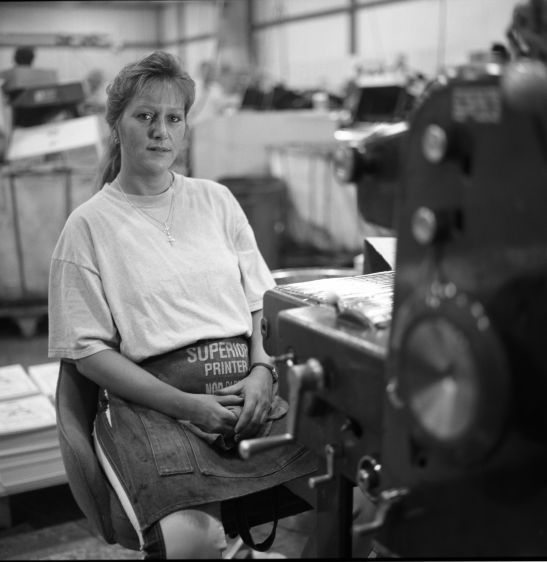
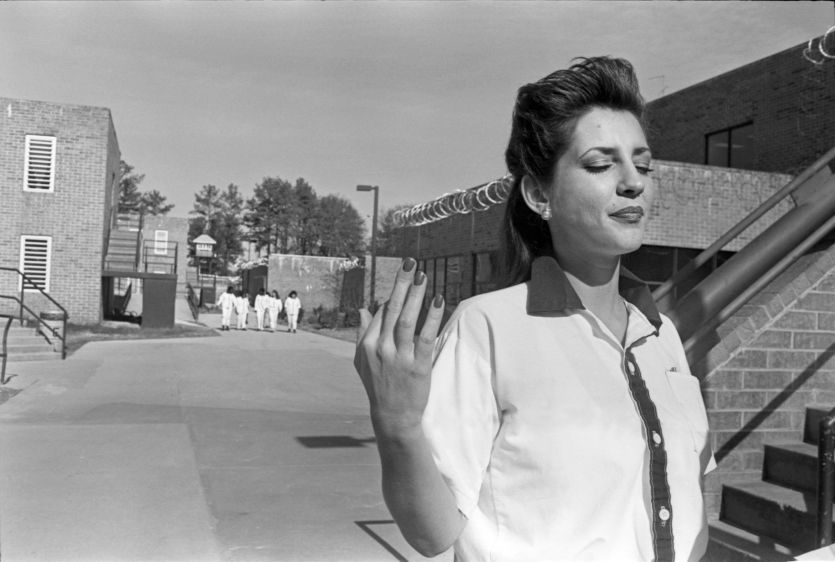
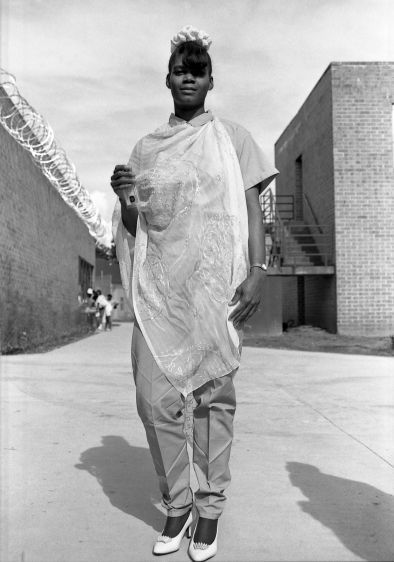
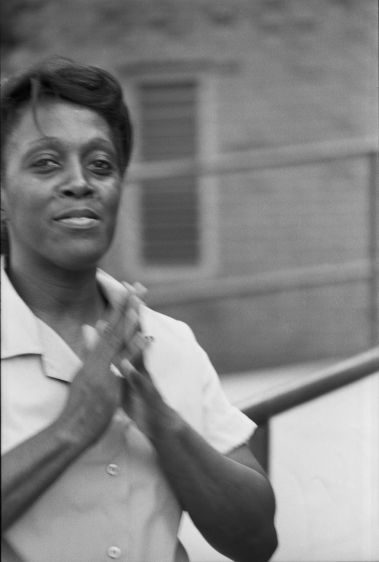
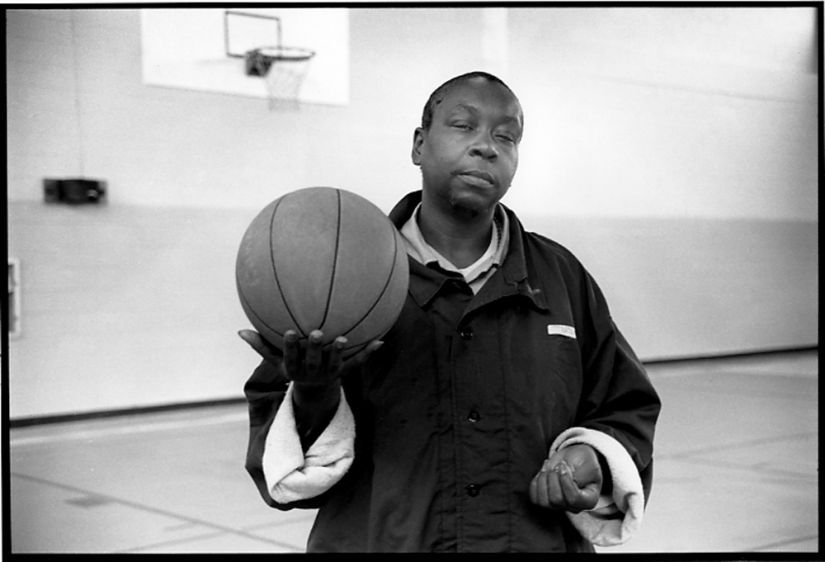
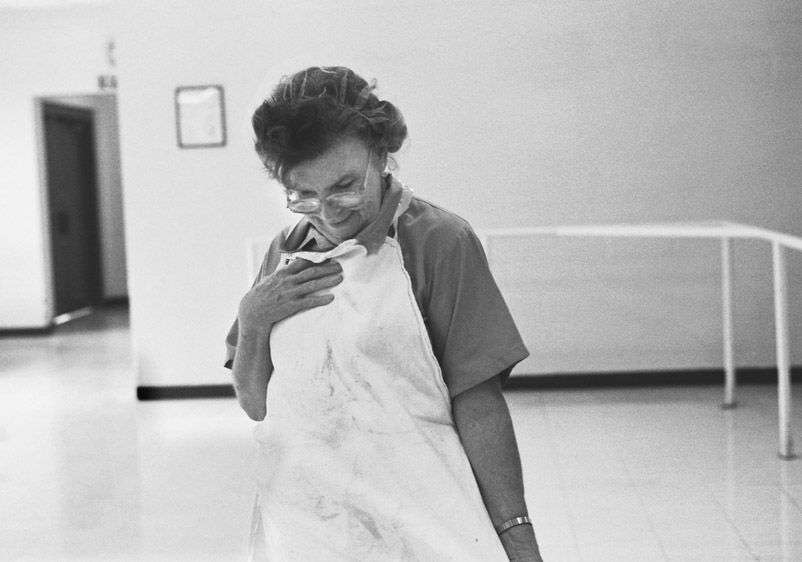
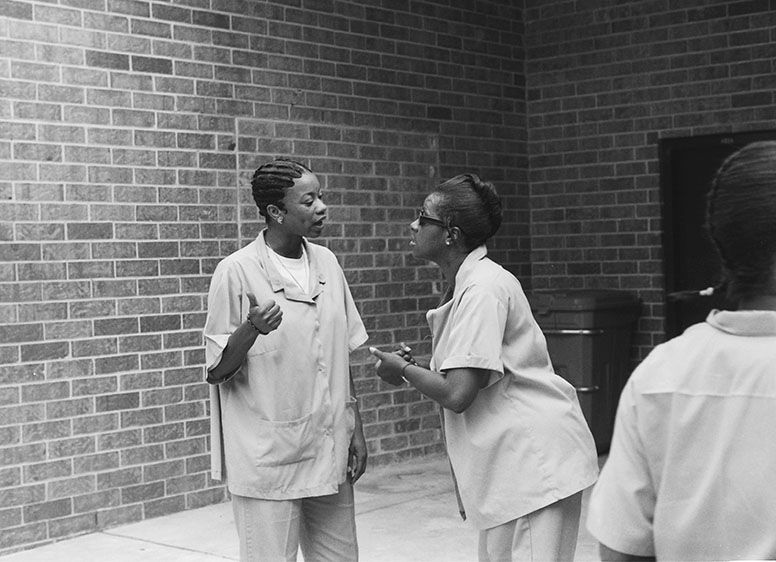
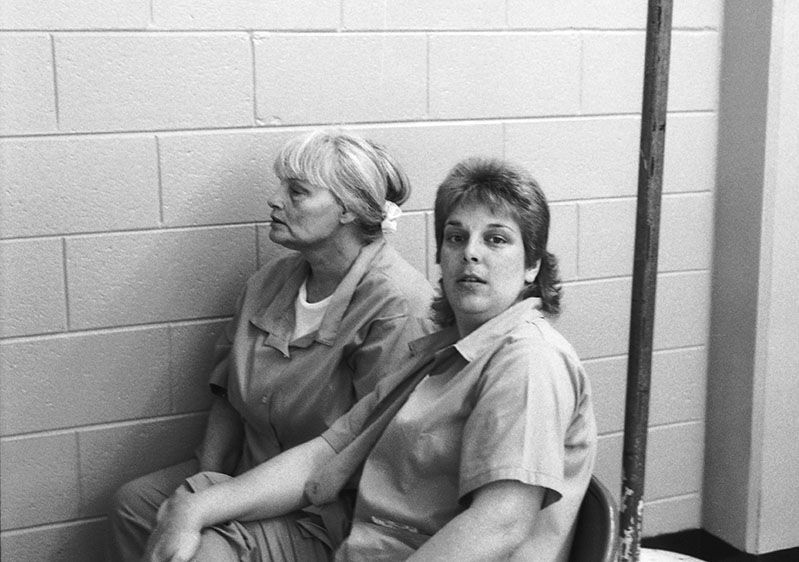
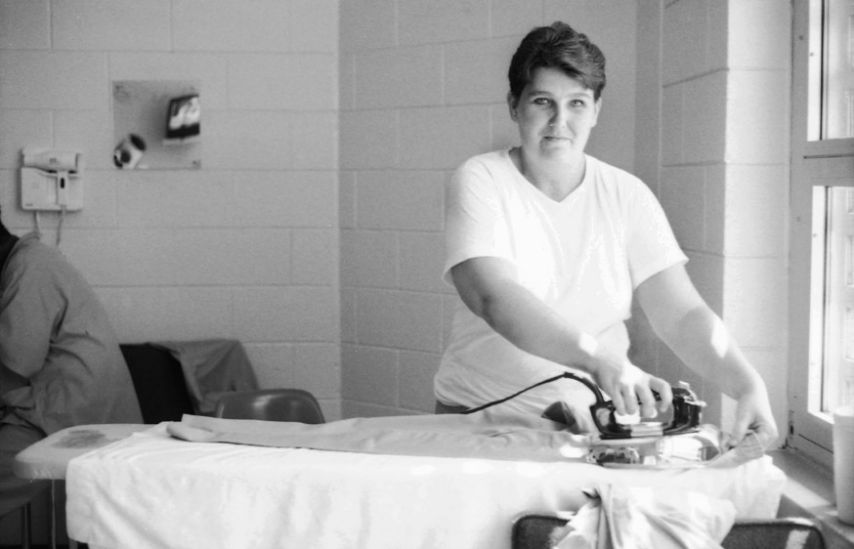
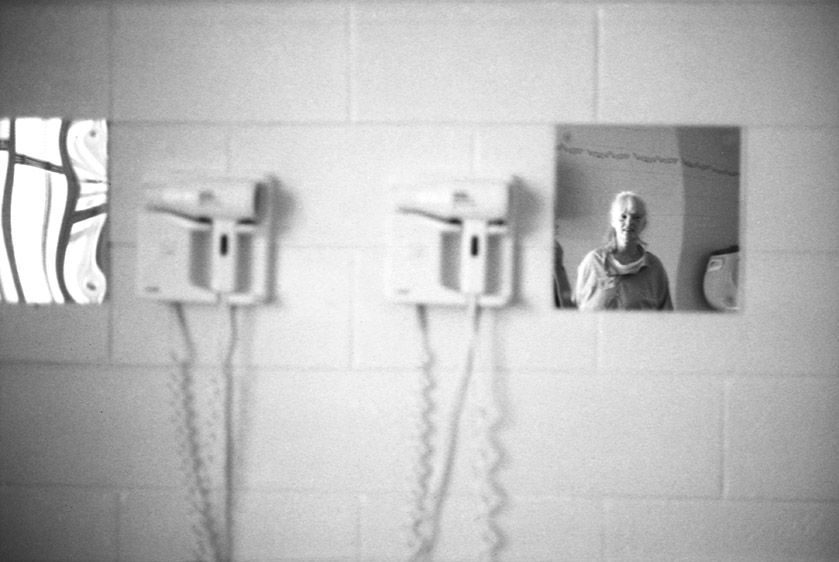
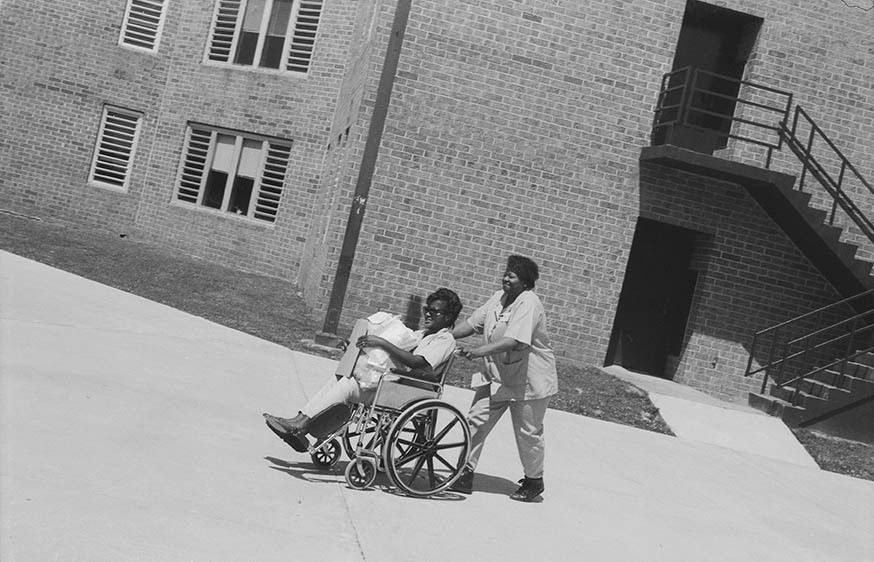
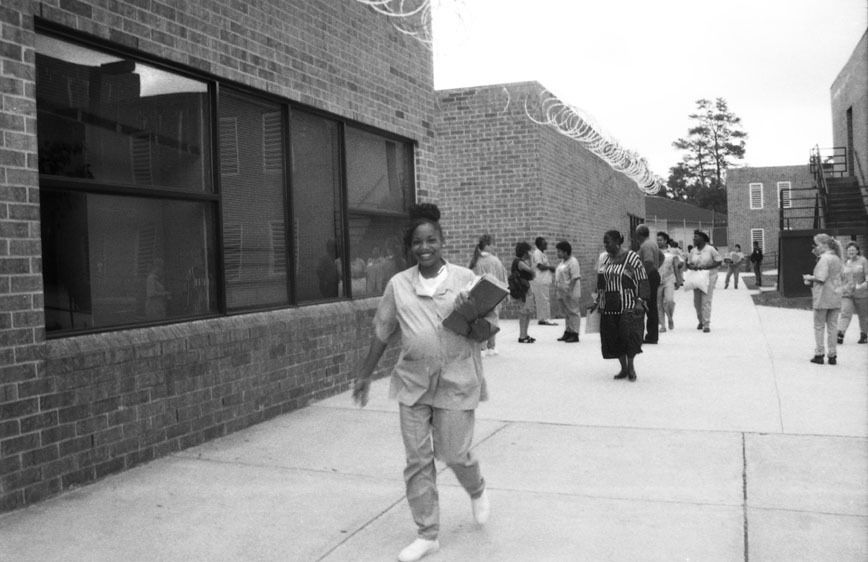
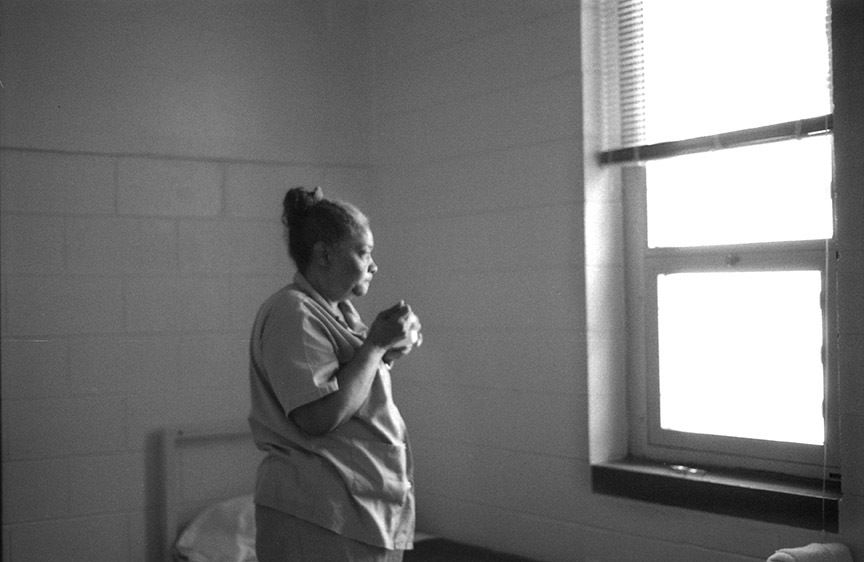
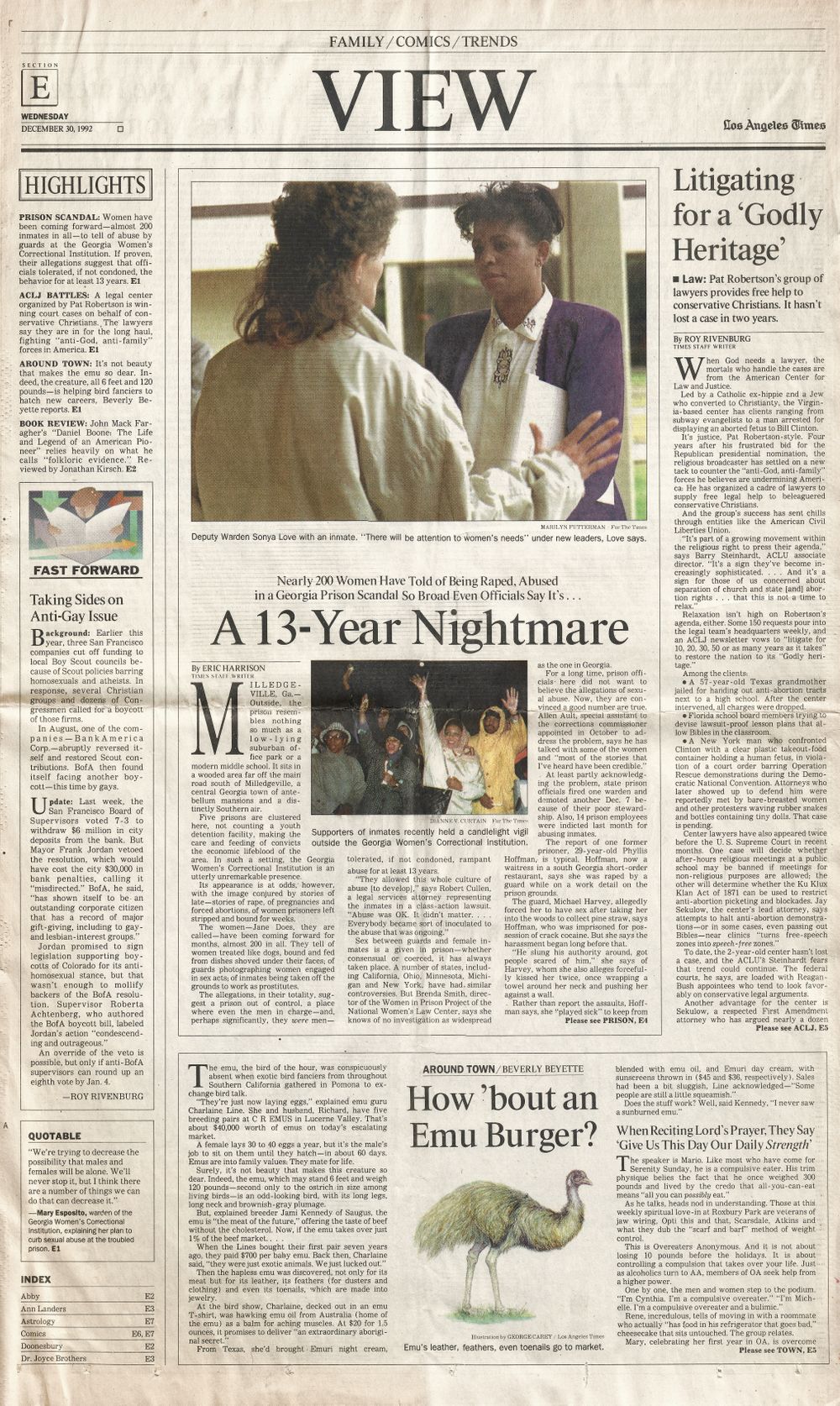
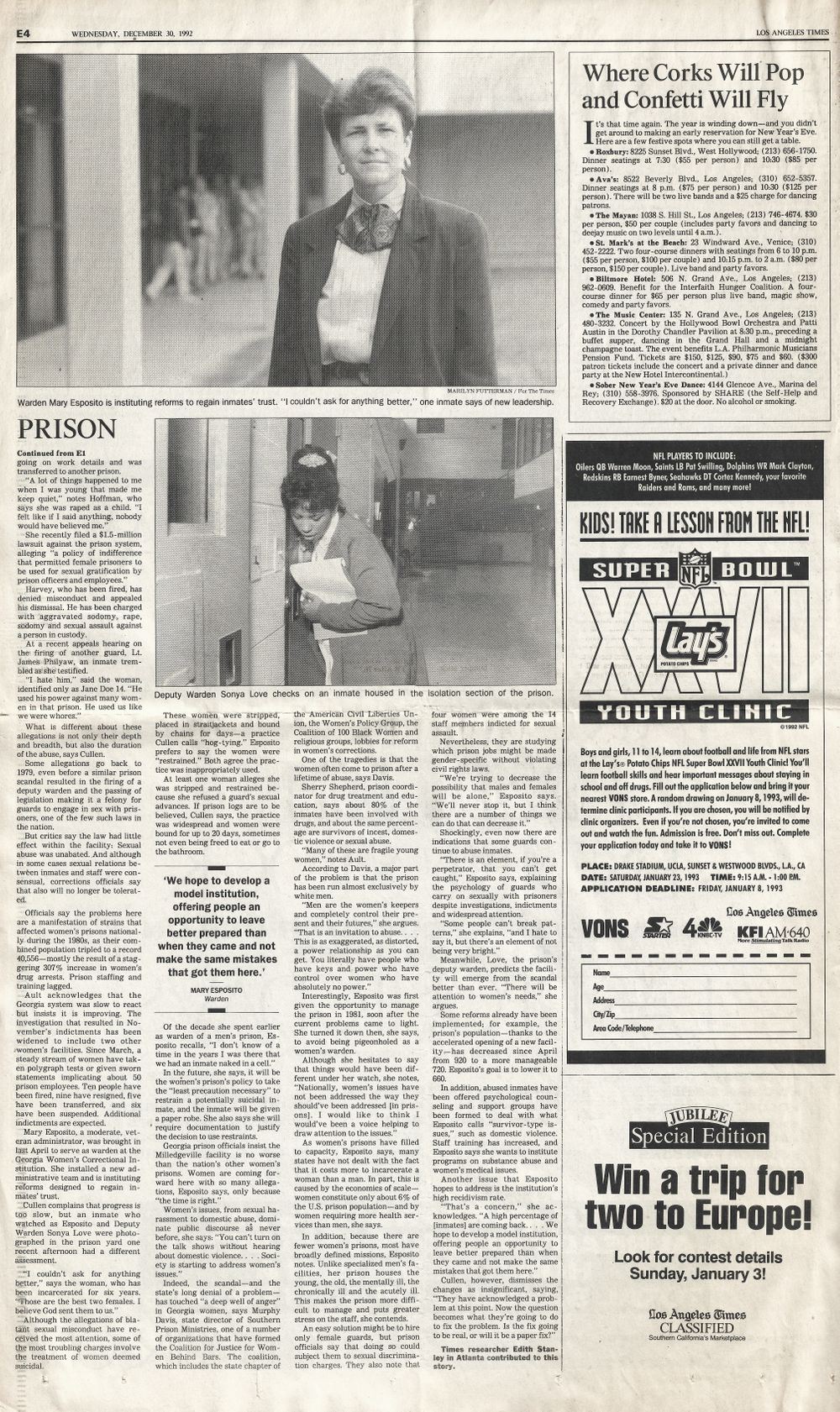
The LA Times southeast editor asked me to cover a story in a town south of Atlanta about prison guards sexually abusing female prisoners. As we walked through the prison, she interviewed the warden, and I photographed. There was a moment during the interview when an inmate approached the warden, pleading to let her go home right then. She simply could not wait two more weeks for her scheduled release. I was struck by my own feelings of entrapment, fear, and urgency as I watched this woman beg. At that moment, I decided that I needed to know more about what it was like to be a woman incarcerated, so I kept going back.
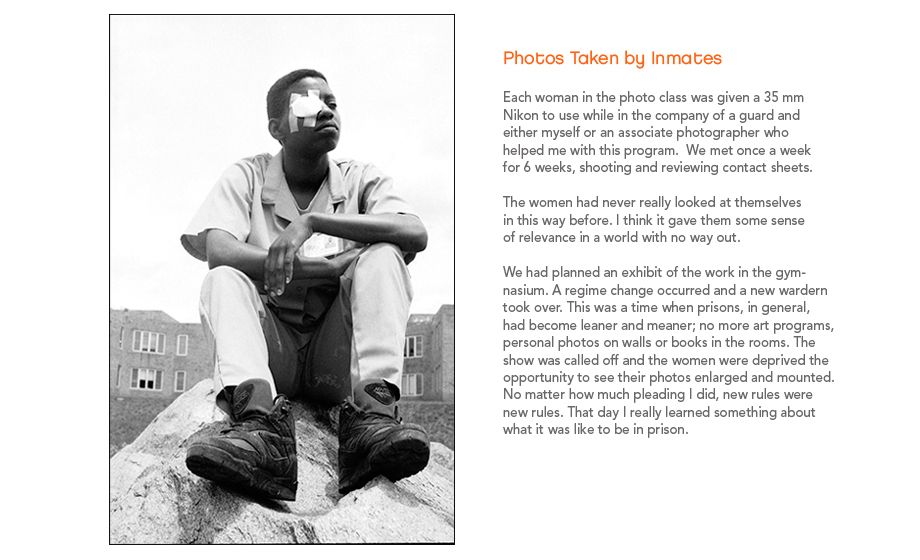
Initially, I took portraits and listened to their stories. One of the chaplains showed me some of the women’s artwork and writing. I asked for permission to teach a photo class, giving them an opportunity to express themselves and document their lives inside, through the camera. We procured cameras from Nikon and met once a week.
The first few times I entered the prison, I was afraid I might not come back out. Over time, I got used to it, and that is how it is for the women. They have adapted, but most of them are looking for a way out.